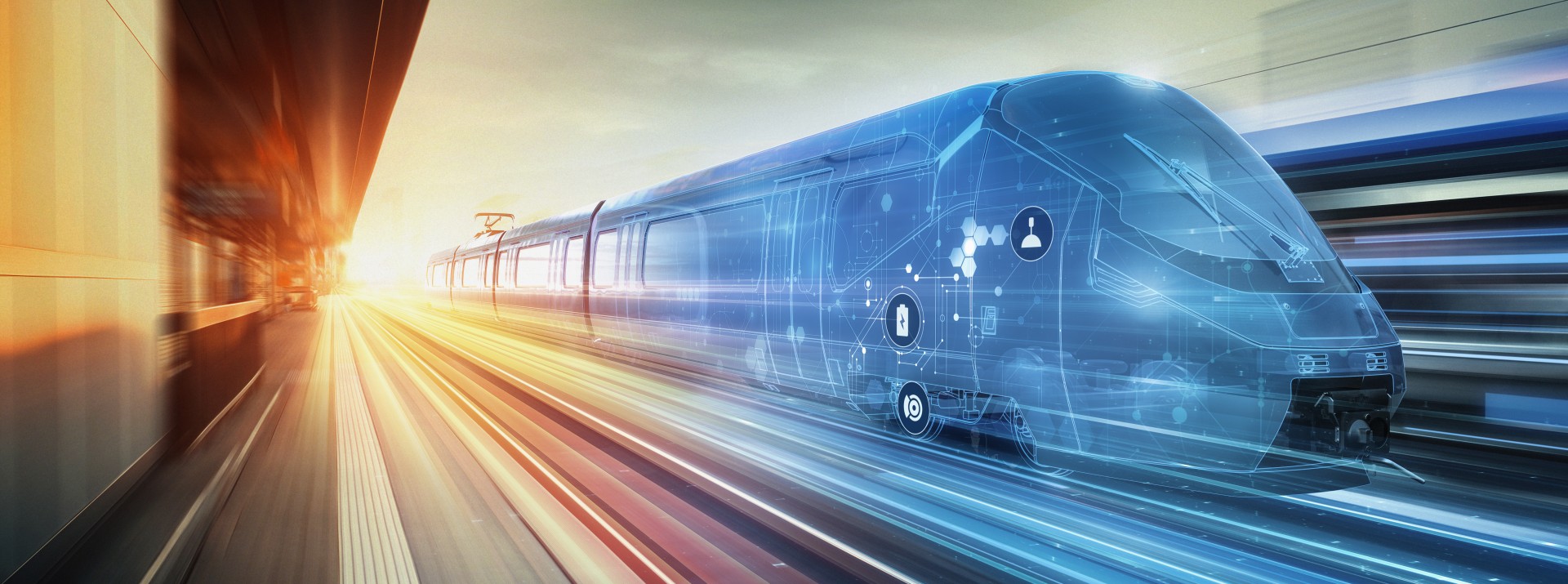
At InnoTrans 2026, Knorr-Bremse presented integrated on-train solutions for passenger and freight rail vehicles. As a leading systems provider, we develop intelligent systems for rail vehicles worldwide – ranging from braking, coupling and entrance systems to sanitary solutions, from digital automation to control technologies.
Building on smart connectivity, we create future-proof solutions that make vehicles more energy-efficient, lightweight and reliable, whilst also improving maintenance procedures, boosting network capacity, and enhancing passenger comfort. In all our development work, we take the entire lifecycle of the modern rail vehicle into consideration.
Connected. Integrated. Future-proof. How we’re shaping tomorrow’s rail mobility today.
Braking systems
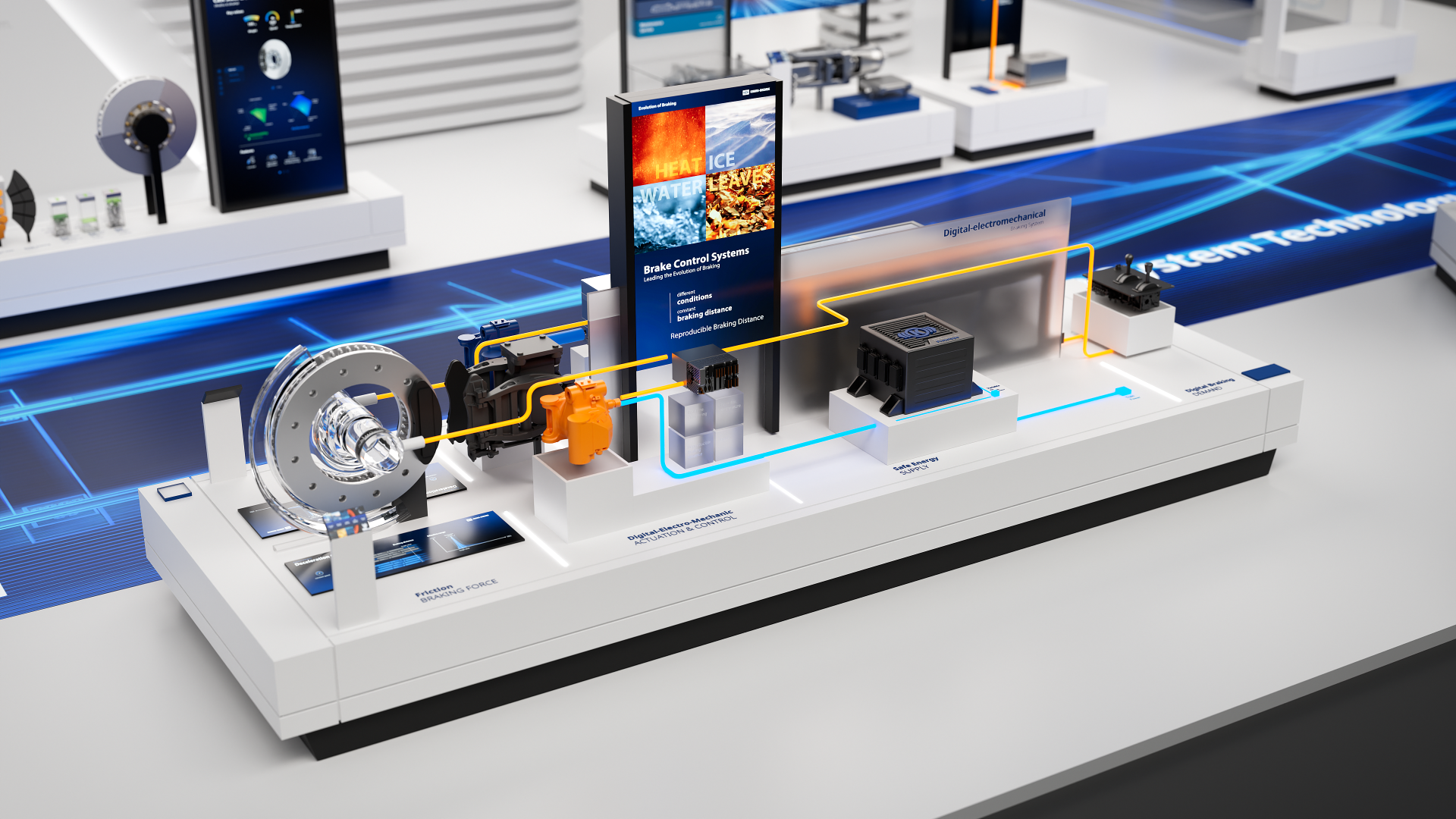
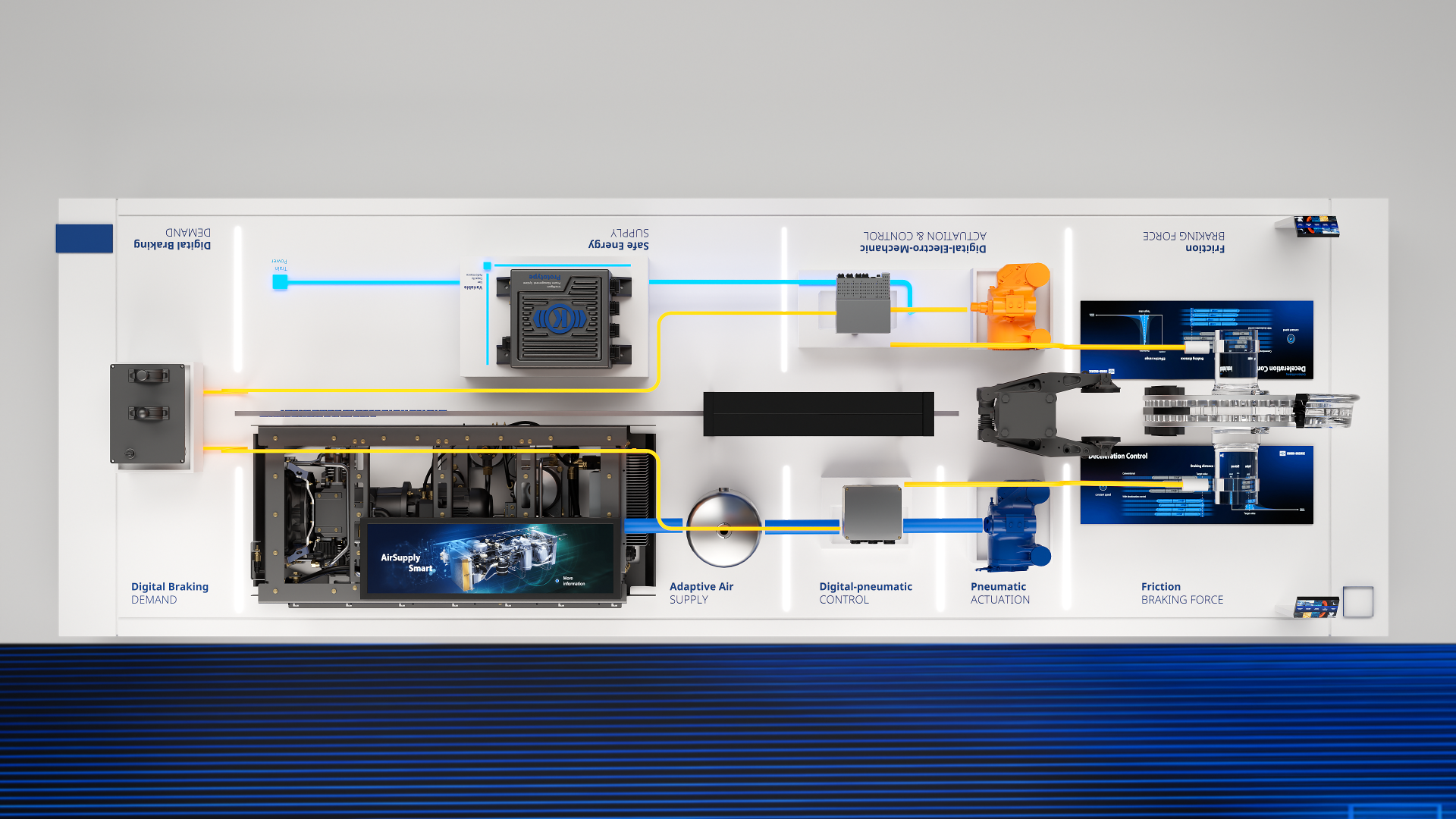
“Evolution of Braking” is the theme behind our efforts to improve braking dynamics and increase vehicle uptime. Our aim is to boost rail transportation capacity and stabilize vehicle processes. Our exhibit – some six meters long – showcased our digital-pneumatic (brake-by-air) and digital-electromechanical (brake-by-wire) braking systems, and presented their various functions.
Brake-by-wire – electromechanical braking
Our customers have made their requirements for future train generations very clear. They want lighter vehicles, lower lifecycle costs, reduced energy consumption – and braking performance that will boost the capacity of existing rail infrastructure. Our response, the digital-electromechanical braking system (EMB), is spearheading a groundbreaking transformation of braking technology that aims to satisfy precisely these requirements.
Our “Evolution of Braking” exhibit illustrated the chain of braking functions managed by individual EMB units. In our example, the brake lever from our modular Motion Controller issued the braking command. Our intelligent Power Management System (iPMS) provided a safe, reliable energy supply. The system was controlled by the latest generation of our MAS200 control unit. And the braking force was delivered by our ElectroAct electromechanical brake caliper, combined with our proven Friction Pairing approach.
Brake-by-air – pneumatic braking
The pneumatic brake remains the tried and trusted backbone of international rail transportation. Compressed air is still the proven medium for generating braking force and, in some cases, transmitting braking signals – although increasingly, pneumatic brakes are digitally controlled and connected to other systems. Once again, our demonstration focused on the braking system as a whole, covering the compressed air supply, pneumatic brake control, and related bogie equipment.
Our on-screen application also explained the approach we have taken to our Virtual Validation for Certification (VV4C) solution. As a virtual platform, it simulates all the standard test scenarios and inspections, ensuring that braking systems are fully compliant with all necessary certification requirements during the approval process.
AirSupply Smart – intelligent, next-generation air supply technology
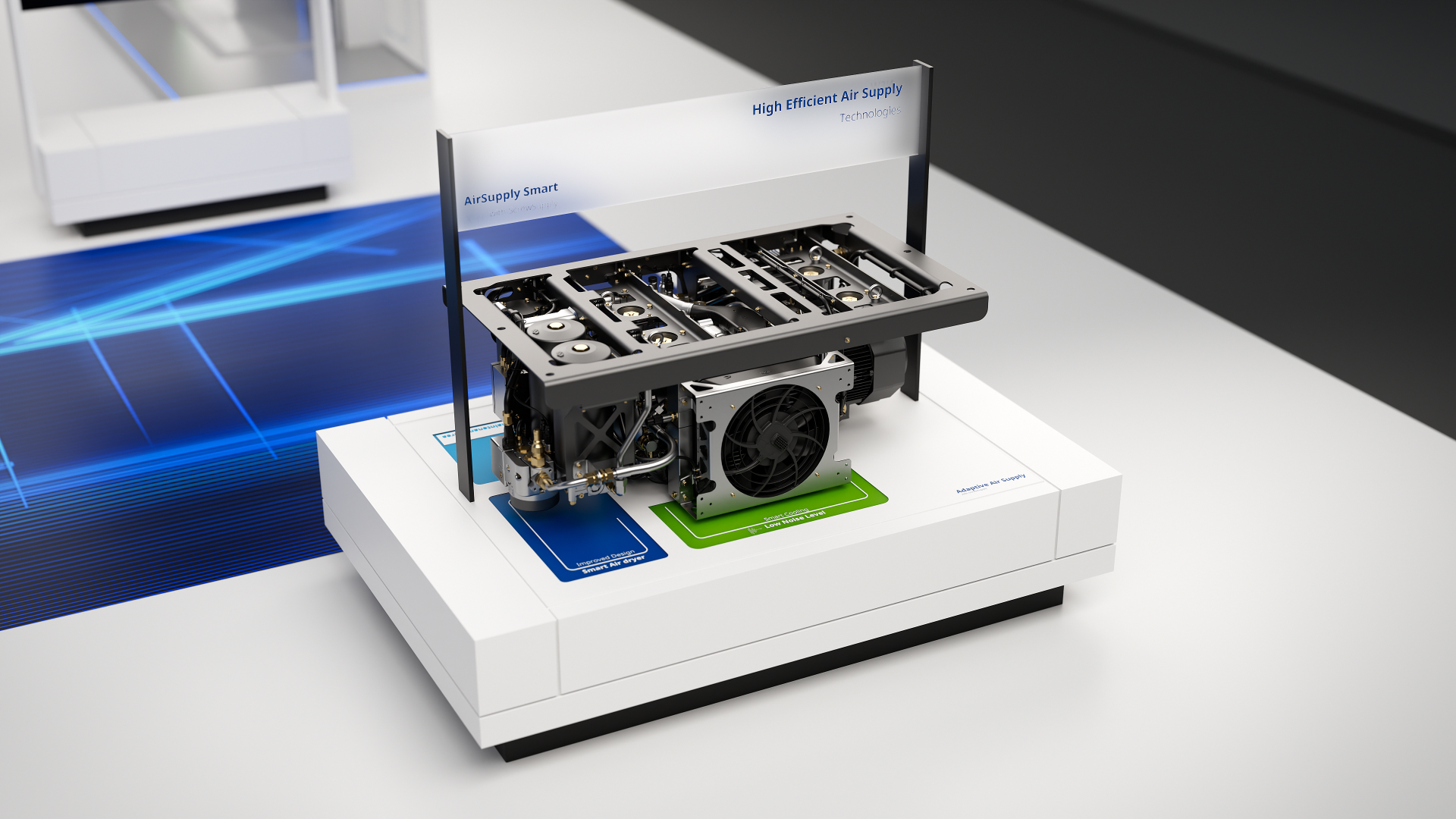
Our inverter-controlled AirSupply Smart systems represent a paradigm shift in the supply of air to vehicle systems – towards the delivery of compressed air on demand, combined with permanent condition monitoring. Rail operators benefit from a fundamentally new, eco-friendly approach to managing the energy consumed and noise generated by their air supply systems. At InnoTrans 2026, we showcased this multi-system innovation together with our ScrewSupply Eco screw-type compressors. This highly adaptable compressor family can be optimized to meet specific vehicle requirements, thanks to its built-in advantages (reduced weight, less installation space, integrated thermal management, lower consumption, easier maintenance).
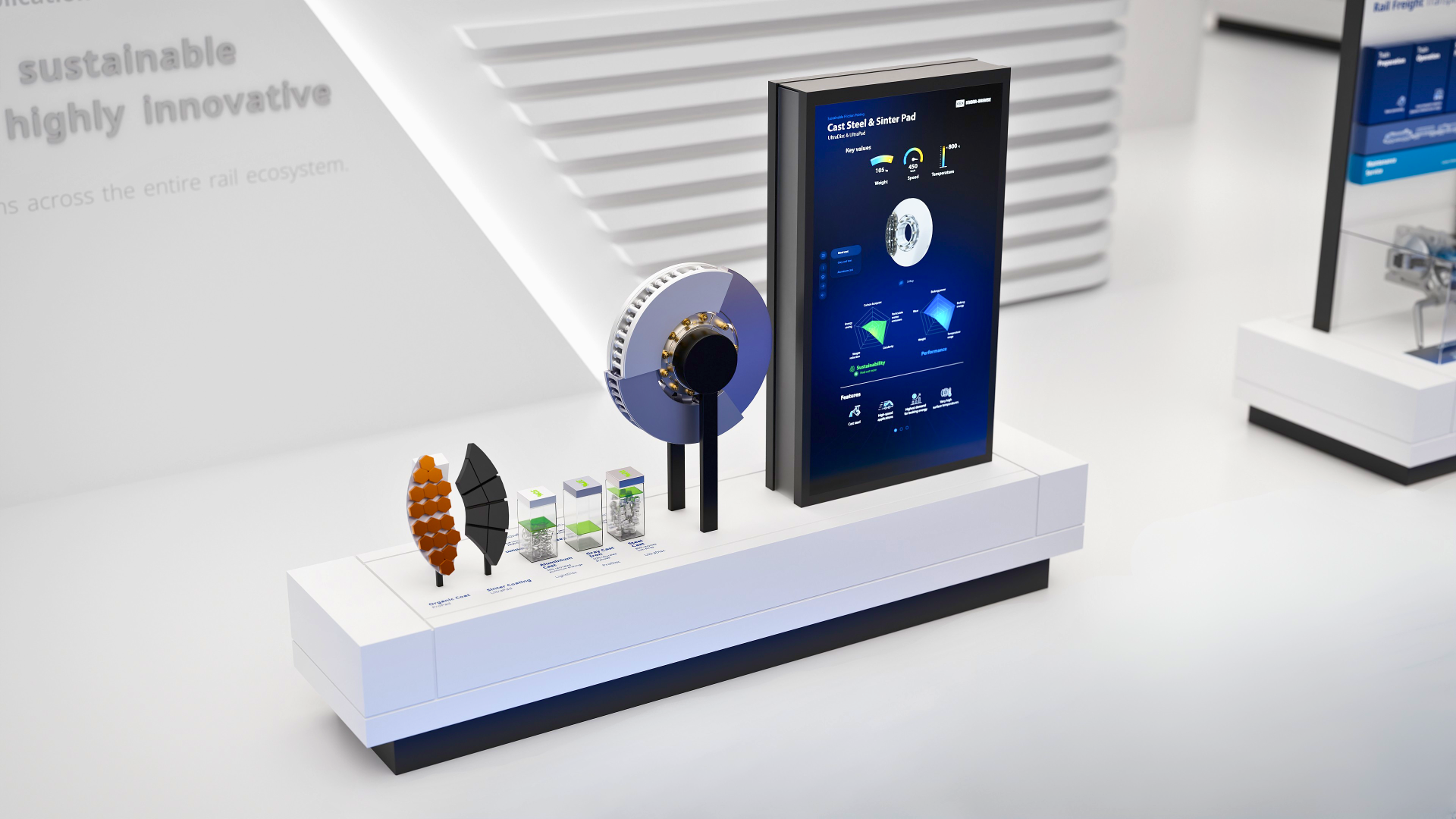
Sustainable Friction Pairing: measurable sustainability
Engineers have long known how essential an optimal friction pairing is for efficient, consistent braking. Application-specific pairings of friction materials in brake pads and brake discs are now available for every type of train. But our Sustainable Friction Pairing exhibit also highlighted the impact of different brake disc and brake pad materials on a train’s environmental footprint. The exhibit’s name reflects Knorr-Bremse’s holistic approach to assessing application-specific combinations of brake pads and brake discs against five key criteria: carbon footprint, particulate matter (fine dust) emissions, material compliance, circularity, and energy efficiency.
The cutaway brake disc in our display was made out of three different materials, accompanied by appropriately optimized brake pads. We showed how the right friction pairing enhances sustainability while reducing the brake pad’s particulate emissions, including options for achieving zero-emission friction pairings for long-term sustainability.
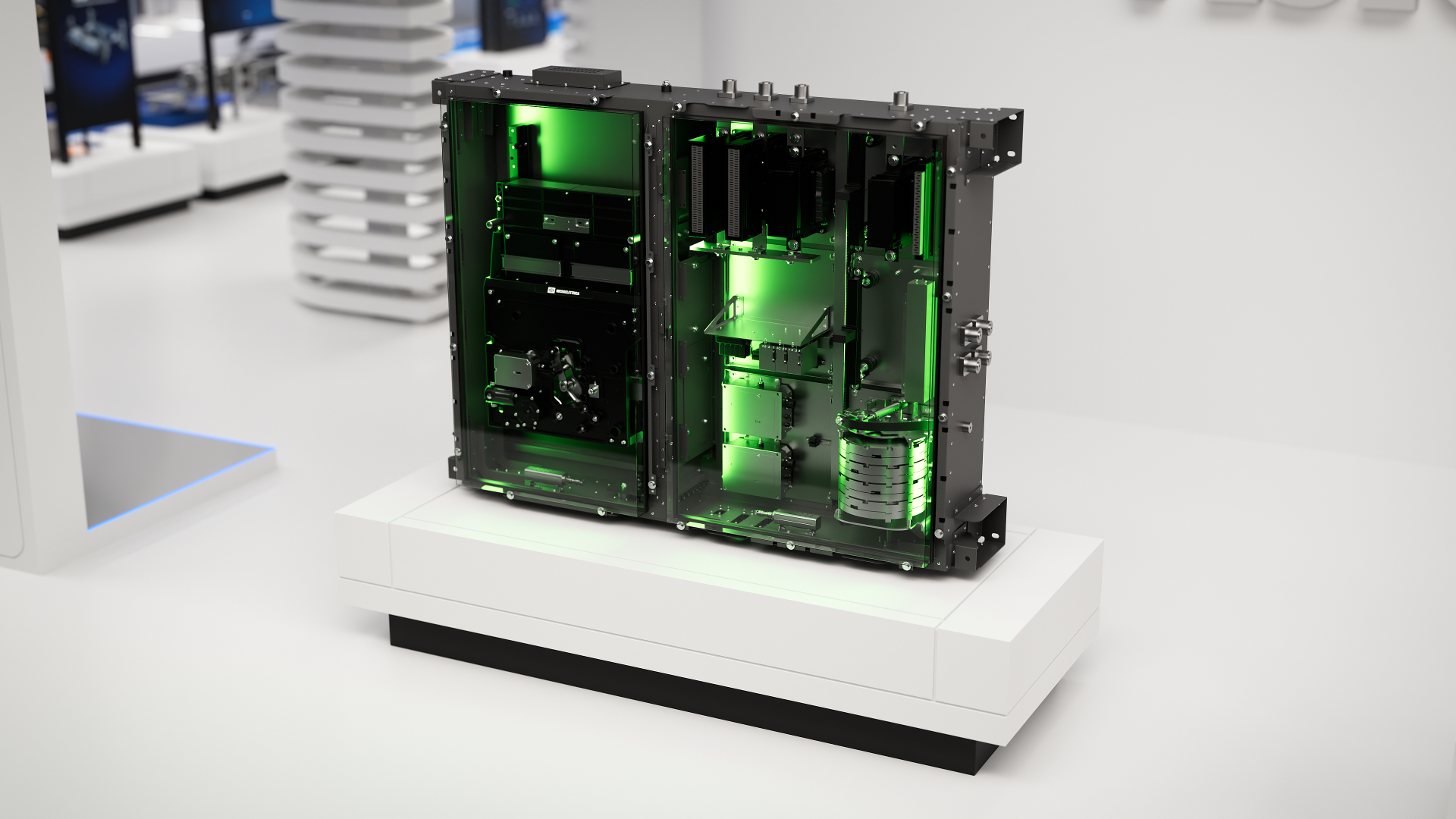
Smart Integrated Functional Unit: flexible energy management
Our Smart Integrated Functional Unit (SIFU) is a maintenance-friendly solution that combines numerous control and diagnostic components for onboard energy distribution in a single compact, digitized system. SIFU allows operators to analyze energy consumption and then take steps to reduce it. Thanks to its modular design, SIFU can also be flexibly adapted to different vehicle architectures and specifications. Our digital on-screen application explained how our new SIFU AC variant works in alternating-current applications.
ZeroStepBoarding: prioritizing passenger safety and convenience
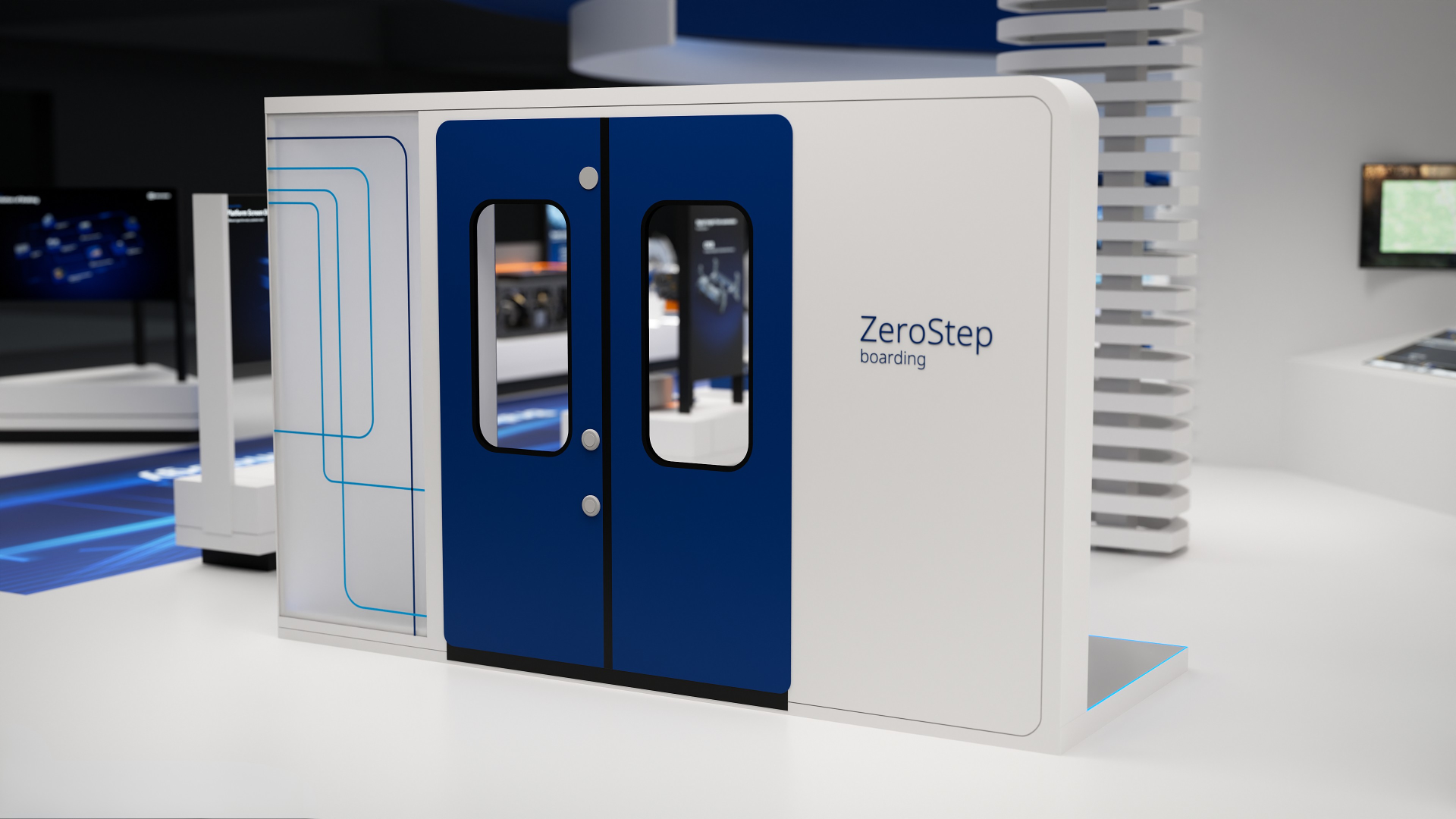
At InnoTrans 2026, we presented our ZeroStepBoarding system together with our E4 double-leaf door system for regional and commuter trains. This integrated system is further enhanced by contactless boarding enabled by our TouchlessBoarding sensor and ProDect 2S anti-snag/anti-trap system. Installed on the door’s closing edge, the system acts as a complete door-passage detection solution that keeps passengers safe while speeding up train departure times.
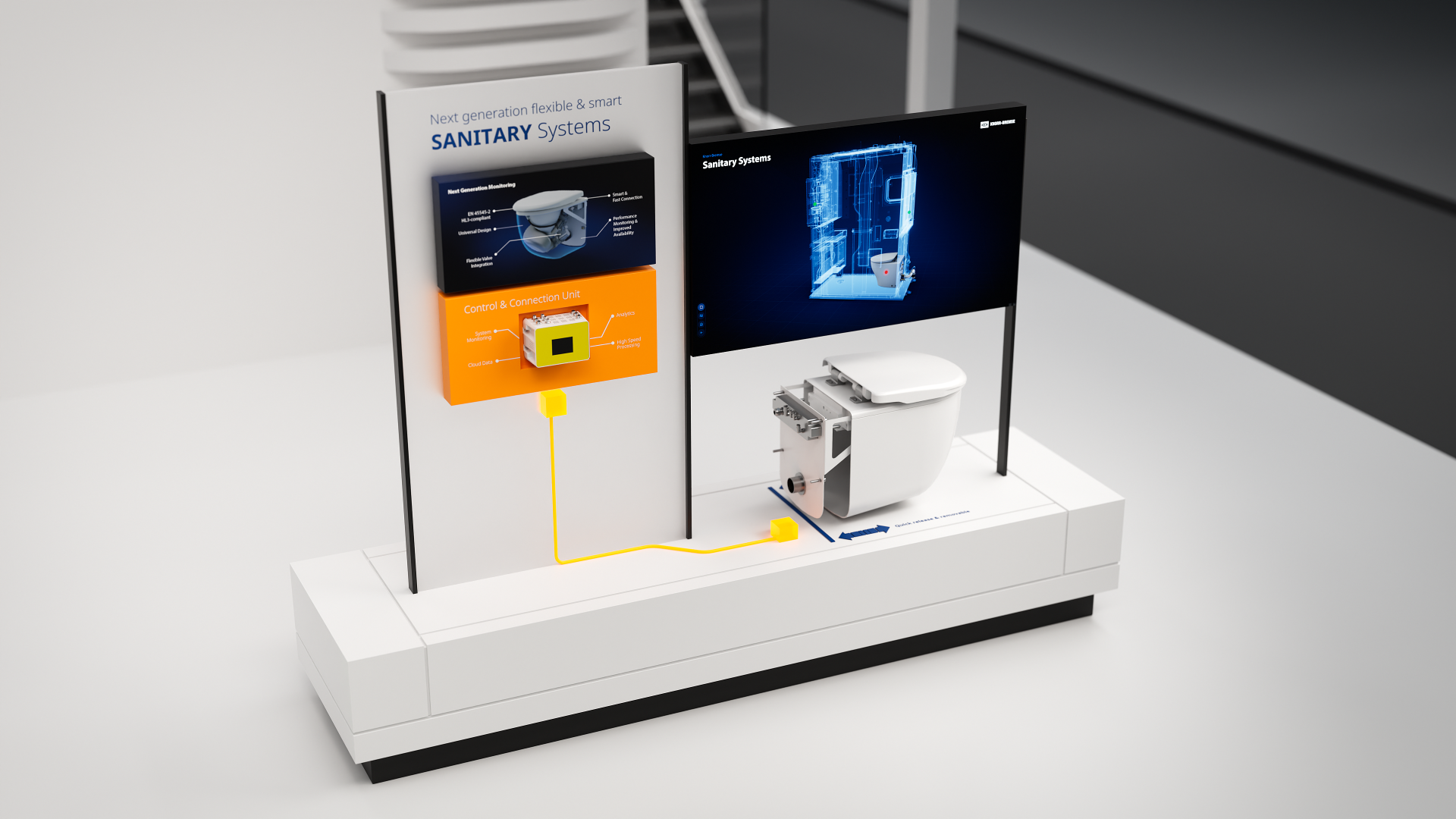
Next Generation Toilet: improving availability
Sanitary systems are among a train’s mission-critical components – because defective toilets can cause entire trains to be taken out of service. This is why reliability – and thus availability – was one of our top priorities when developing our Next Generation Toilet (NGT). Our NGT exhibit could be rotated to reveal its technical solutions and internal design. Also on display was our new MLC 2.0 control unit. Our interactive screen also illustrated the sanitary system’s smart maintenance concept.
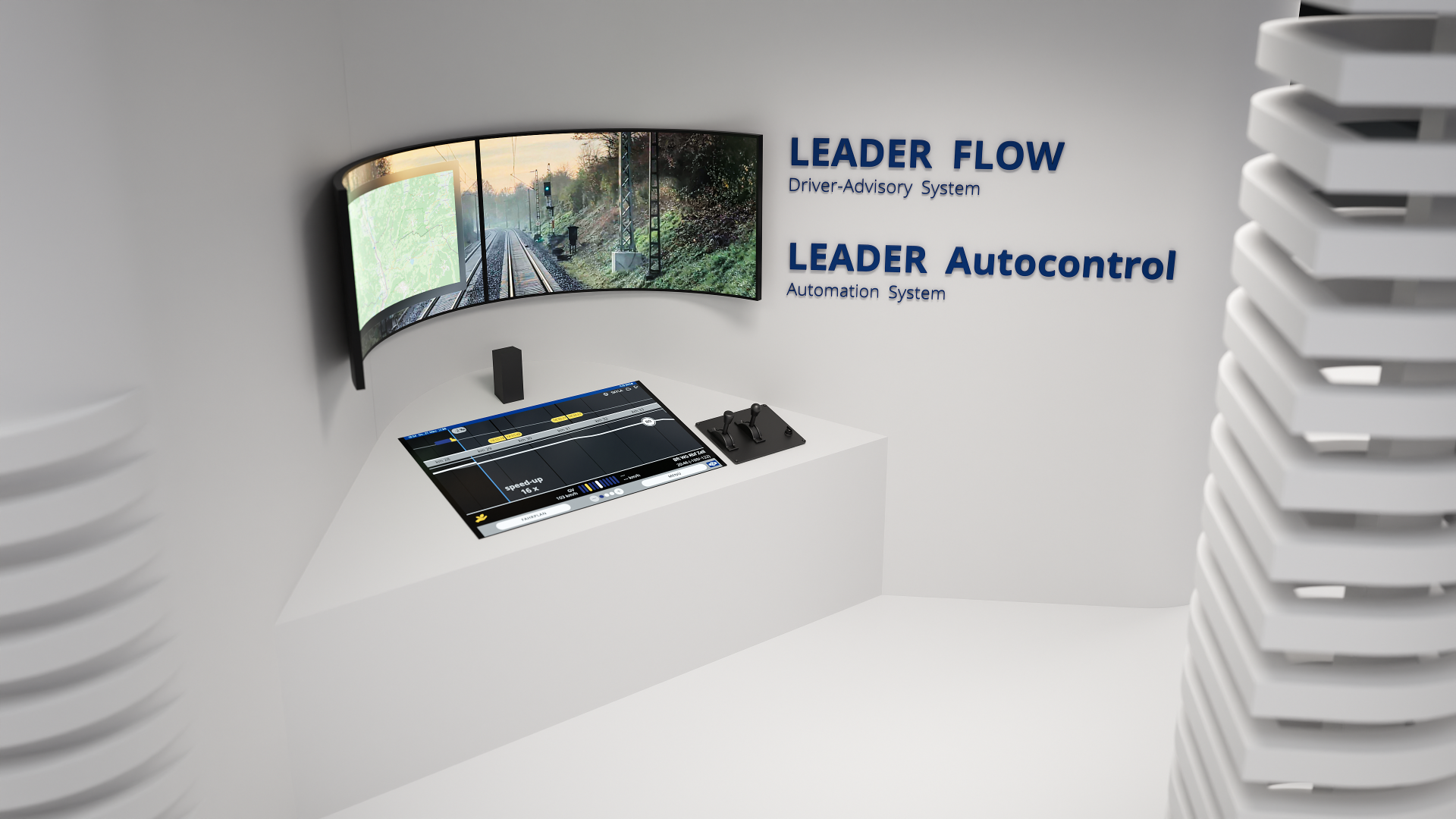
Driver assistance and automation for rail freight operations
Our advanced driver advisory system, LEADER Flow, now incorporates live traffic data into its real-time driving recommendations. The new algorithm processes data on the relative positions and speeds of trains ahead, using a predictive driving approach to advise train drivers how to avoid unnecessary stops. At the same time, we continue to develop our LEADER Auto Control train automation system for the U.S. market: Operators can choose either a fuel-saving or a time-saving driving strategy to meet their operational goals.
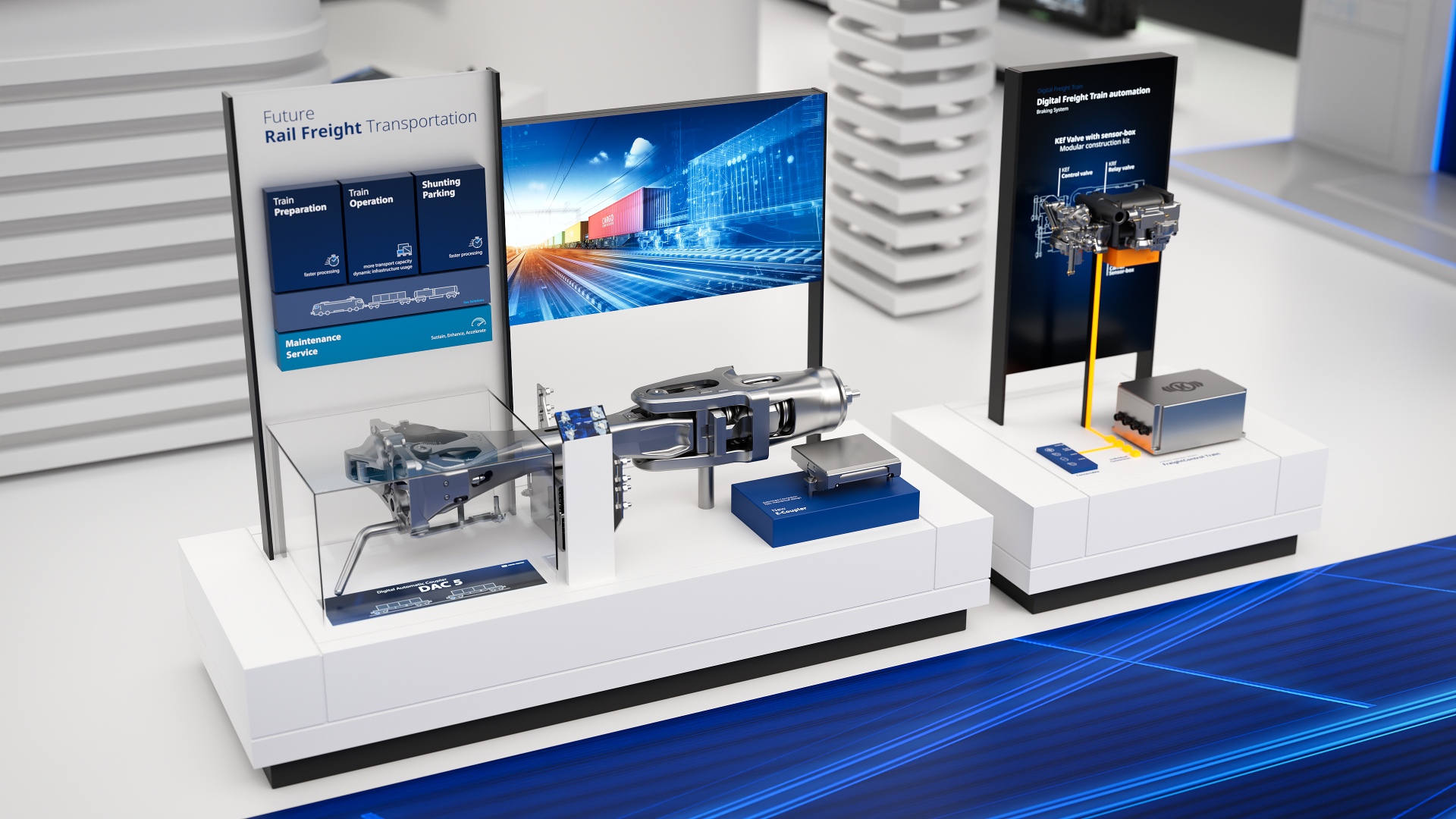
Our vision for the future of rail freight
Future Rail Freight Transportation describes our strategic vision for modernizing the world of freight through systematic automation and digitalization. Our “FreightLink” Digital Automatic Coupler establishes an integrated power and data connection along the entire train, enabling the automation of core functions such as train inauguration (train composition detection), brake testing and remote decoupling. Highlights included Knorr-Bremse’s DAC Type 5, the new Knorr-Bremse e-coupler and, in our Deep Dive section, a demonstration showing how they interact with the automation system’s architecture.
To create our On-Train Solutions, we combine braking, entrance, coupling, power and passenger comfort systems with intelligent control units, digitalization and automation to form a single, integrated, high-performance system. To do so, we look beyond individual components to consider how all systems interact in a vehicle over its entire lifecycle.
This is how we help our customers to reduce vehicle weight and energy consumption, design predictive maintenance processes, and improve vehicle uptime, comfort, convenience and capacity.
We showed our On-Train Solutions in Berlin on September 22–25, 2026. Continue the conversation with our experts about your specific needs and requirements.
FAQs - On-Train Solutions