For over a century, Knorr-Bremse has been a driving force in rail safety and innovation. In the UK, our story is built upon the strategic convergence of two industrial pioneers: the global technological leadership of Knorr-Bremse and the rich British heritage of Westinghouse Brakes.
From the steam age to the digital era, our journey has run parallel to the evolution of the railway itself. Today, operating from our state-of-the-art facility in Melksham, we continue to shape the future of sustainable transport.
Our Journey: A Timeline of Innovation
1860s – 1999: The Westinghouse Heritage
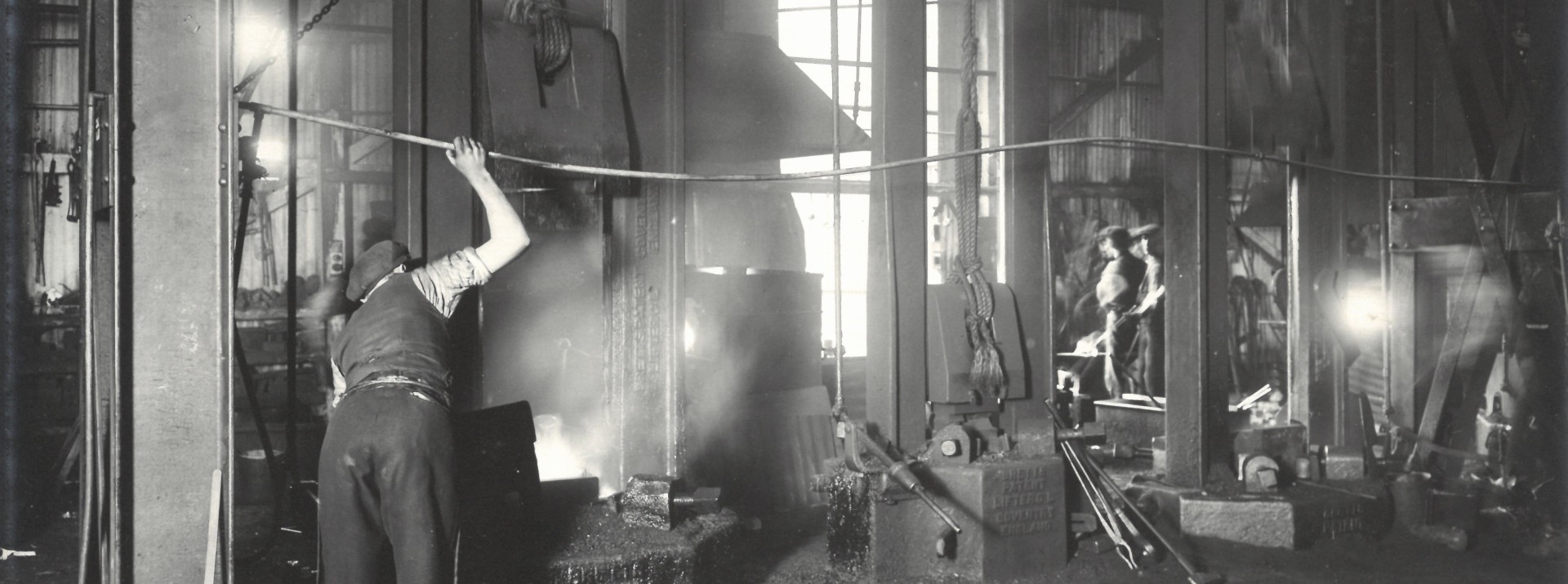
While Knorr-Bremse was founded in Berlin in 1905, our UK roots stretch back to the very dawn of rail safety. The business is built on the foundation of Westinghouse Brakes, established by the inventor of the air brake, George Westinghouse. For over a century, operating primarily from Chippenham, the company set the standard for British railway engineering, supplying braking and signalling systems that kept generations of passengers safe.
The late 90s marked a period of intense activity and success. In Early 1998, the company secured a pivotal long-term contract to supply systems for the new generation of Electrostar trains. This win marked the start of a major UK fleet supply programme, providing braking solutions for what would become one of the most widely used train families in the post-privatization era. Then, in 1999, we played a pivotal role in one of London’s most ambitious infrastructure projects: the Jubilee Line Extension. We installed high-tech Platform Edge Doors (PEDs) across eight key central stations, setting a new safety benchmark for high-capacity urban transit. For over 25 years, we have maintained these critical systems from our Stratford hub, providing 24/7 support. Our team ensures impeccable reliability, continuously upgrading the doors to improve accessibility and support London’s growing capacity needs.
2000: A Union of Pioneers
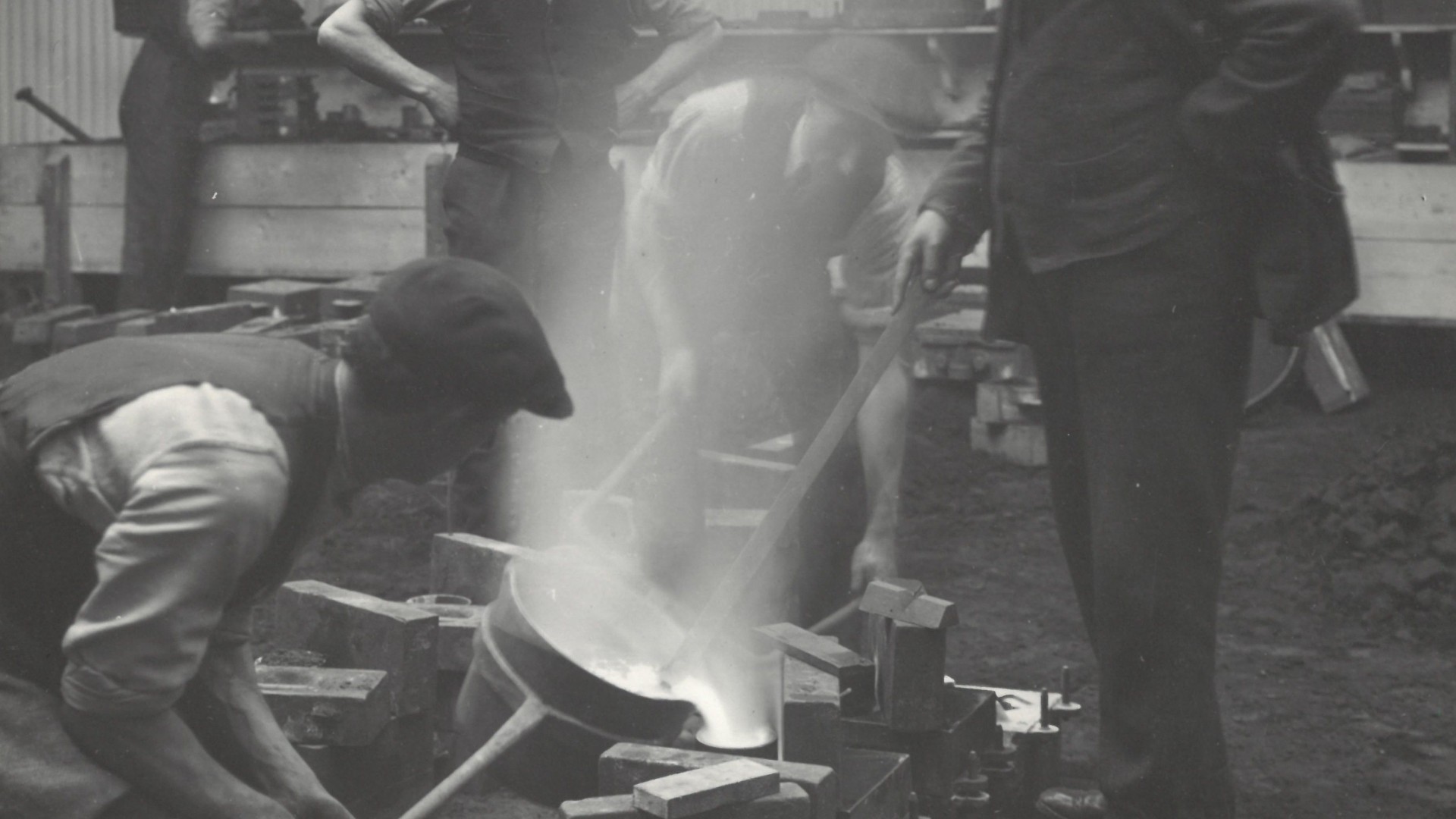
The new millennium brought a transformative change. Knorr-Bremse acquired the brakes division of Invensys (formerly Westinghouse Brakes), merging two of the most respected names in the industry. This acquisition combined Knorr-Bremse’s global technological leadership with Westinghouse’s deep knowledge of the UK network, creating a globally integrated leader in rail systems engineering.
2004: Global Innovation in Melksham (CubeControl)
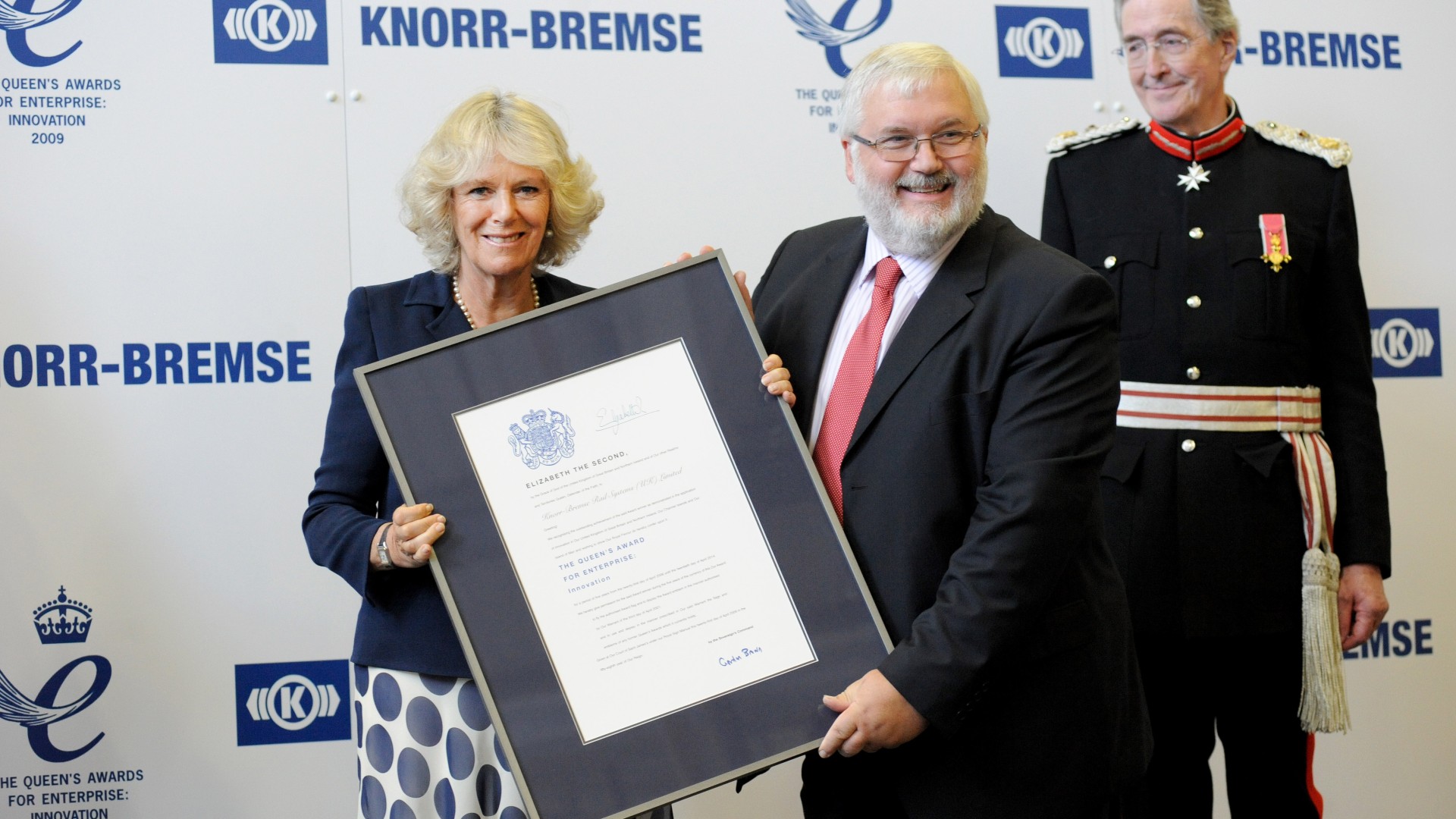
This year marked a revolution in metro braking technology with the launch of the EP2002 system, later rebranded as CubeControl. Developed and manufactured right here in the UK, this system replaced traditional centralized setups with "smart" decentralized control at the bogie level. By optimizing braking based on passenger weight and wheel-rail adhesion, it significantly improved safety and efficiency. This innovation established our UK facility as Knorr-Bremse’s global centre for metro brake control. The system's groundbreaking impact was formally recognized in 2009, when the company received a Queen's Award for Enterprise in Innovation.
2005: The Move to Melksham
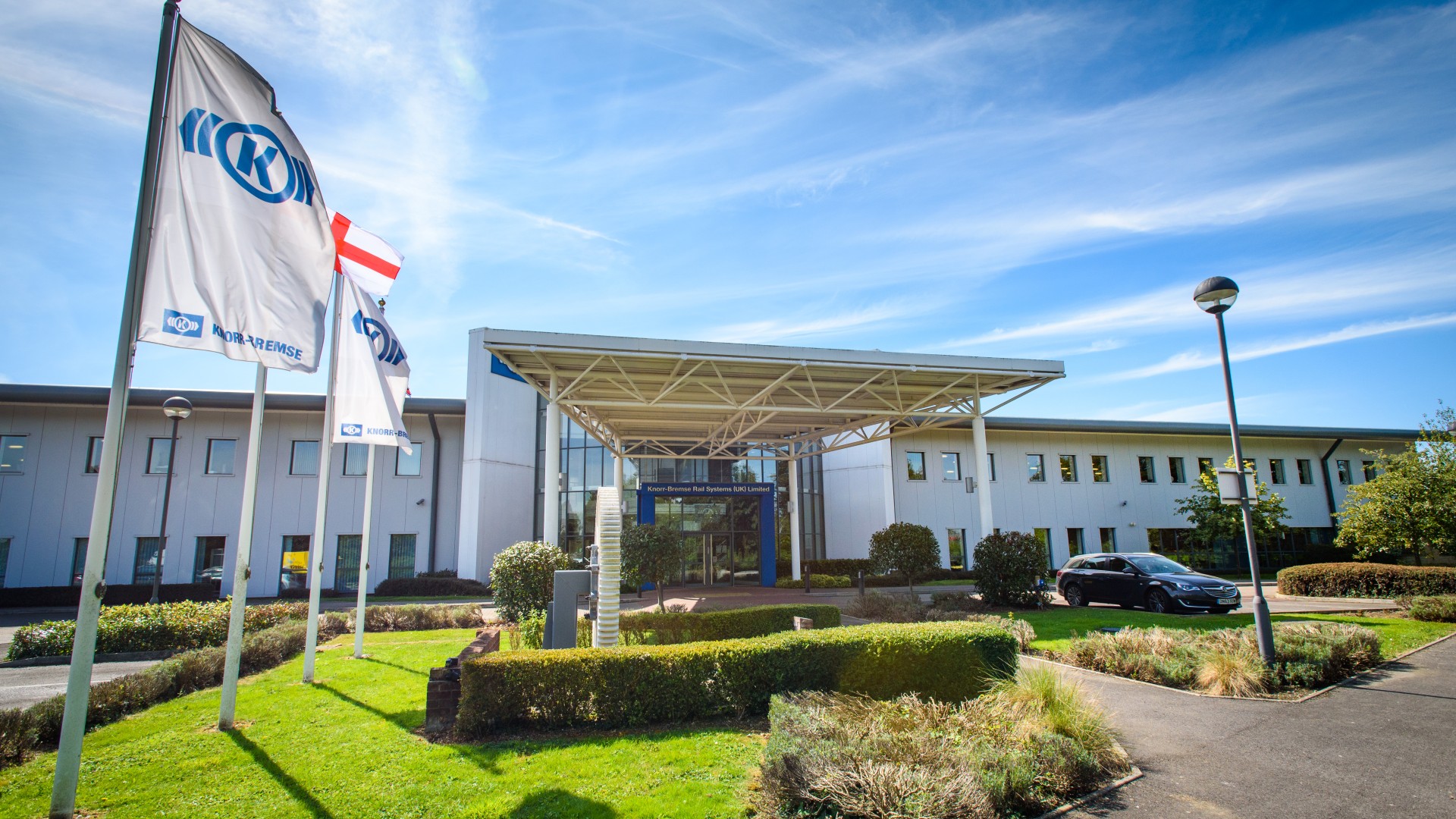
To support our growing operations and modern manufacturing needs, the company moved its UK headquarters from the historic Chippenham site to a purpose-built facility in Melksham, Wiltshire. This state-of-the-art site brought design, engineering, and manufacturing under one roof, creating a collaborative hub that has since become a major employer and investor in the local community.
2012–2014: Securing the Next Generation of Rolling Stock
This pivotal era was defined by success in securing major contracts for the UK's next generation of fleet. Our established capability and engineering expertise led to landmark contracts, including our first major rolling stock supply contract with Hitachi for the Intercity Express Programme (IEP), supplying the complete braking system for the new high-speed intercity trains. This was swiftly followed by the award of the major Aventra contract, securing our role in supplying systems for a new generation of suburban commuter trains.
2022: The Elizabeth Line
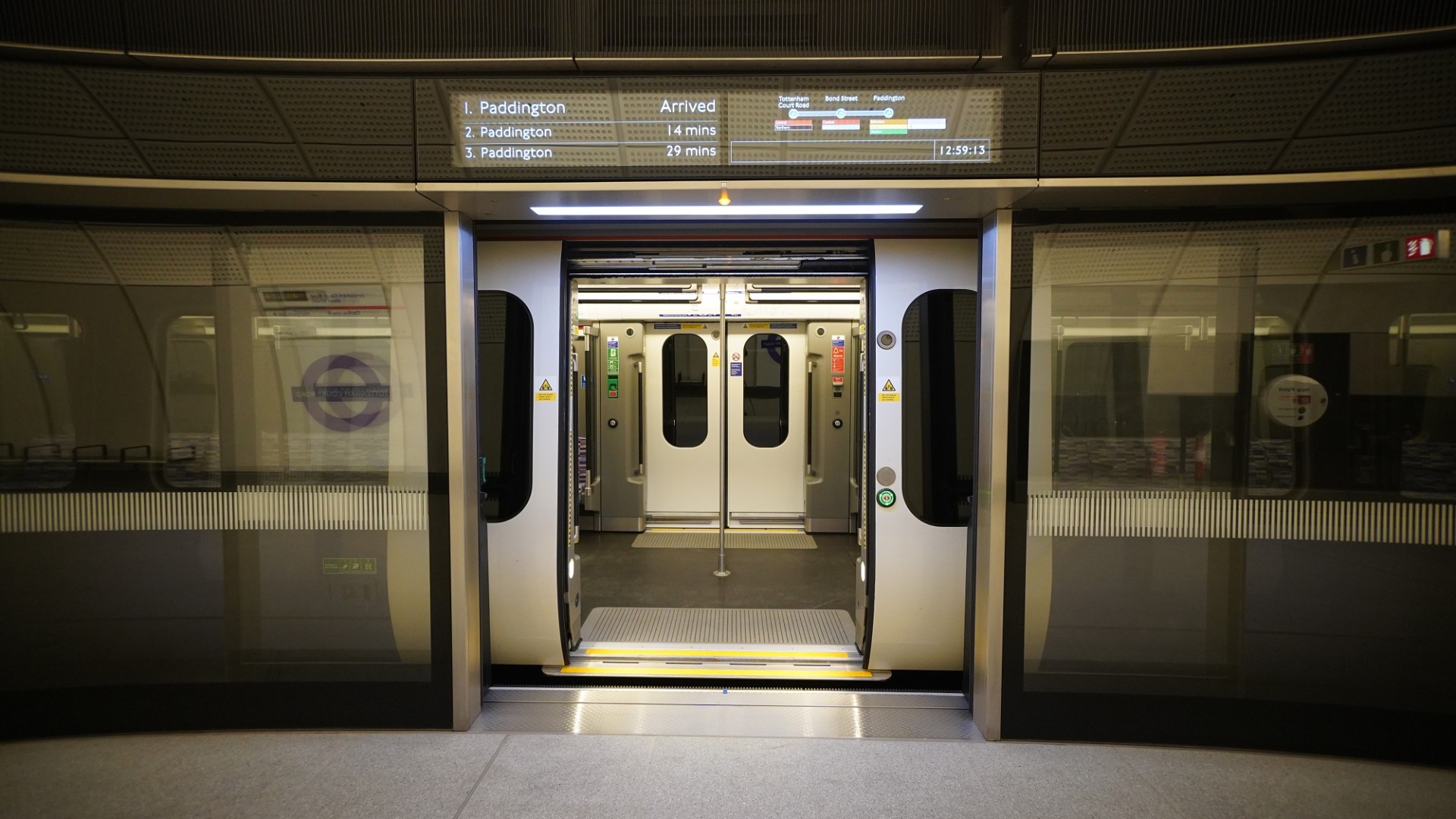
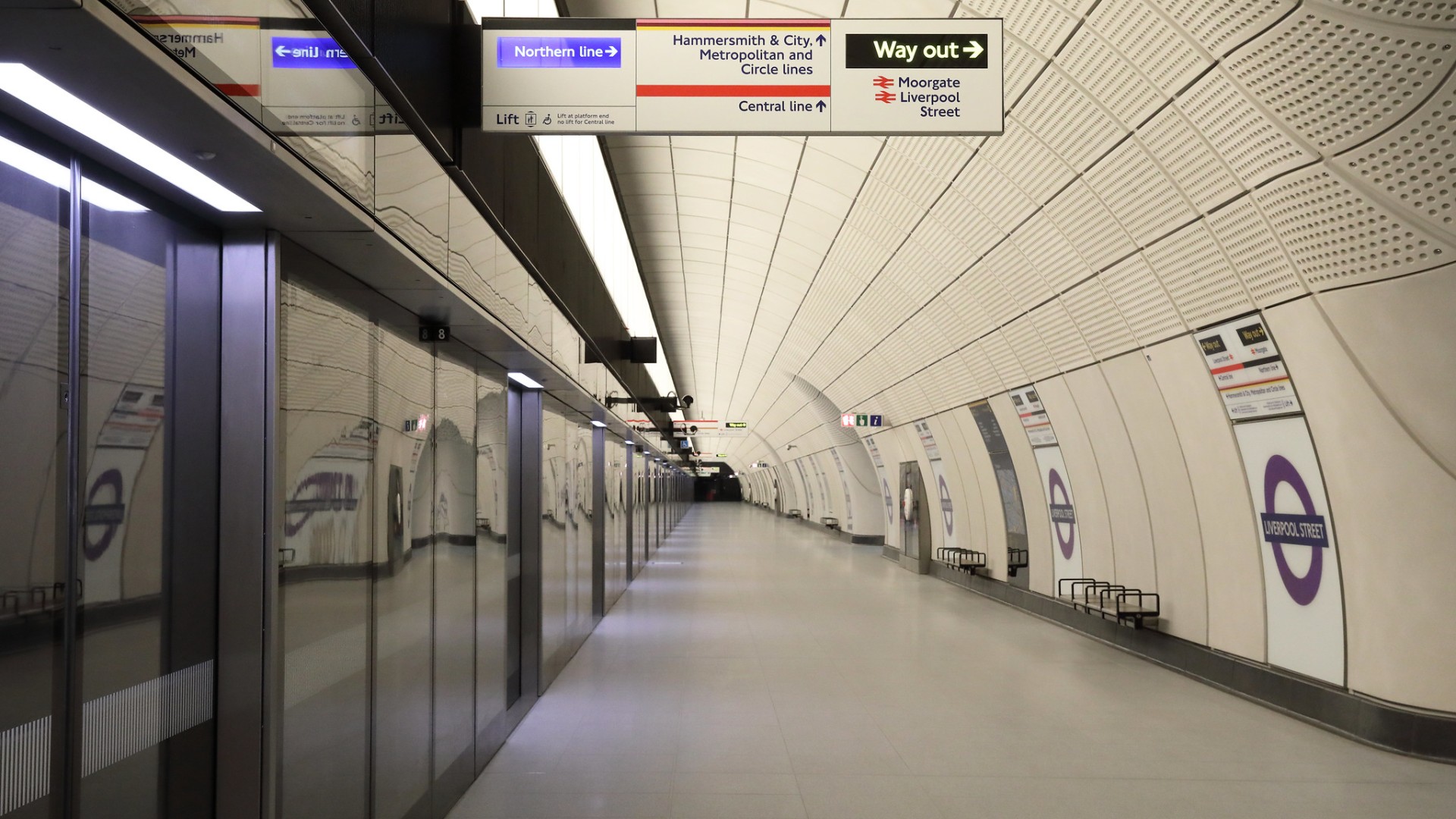
The opening of the Elizabeth Line marked a new era for London transport. We designed, manufactured, and installed the floor-to-ceiling Platform Screen Doors (PSD) across all eight central stations. These 432 pairs of doors ensure safety, retain air-conditioned air, suppress noise, and house integrated 5G antennas and passenger information screens. The project also debuted a pioneering installation method. Rather than disrupting station construction, we delivered pre-assembled door modules via bespoke works trains, positioning them directly from the track. Today, we remain on the line 24/7, maintaining the equipment to ensure the doors operate in perfect synchronization with the trains for the 700,000+ passengers who use the service daily.
2025: The Future of Freight
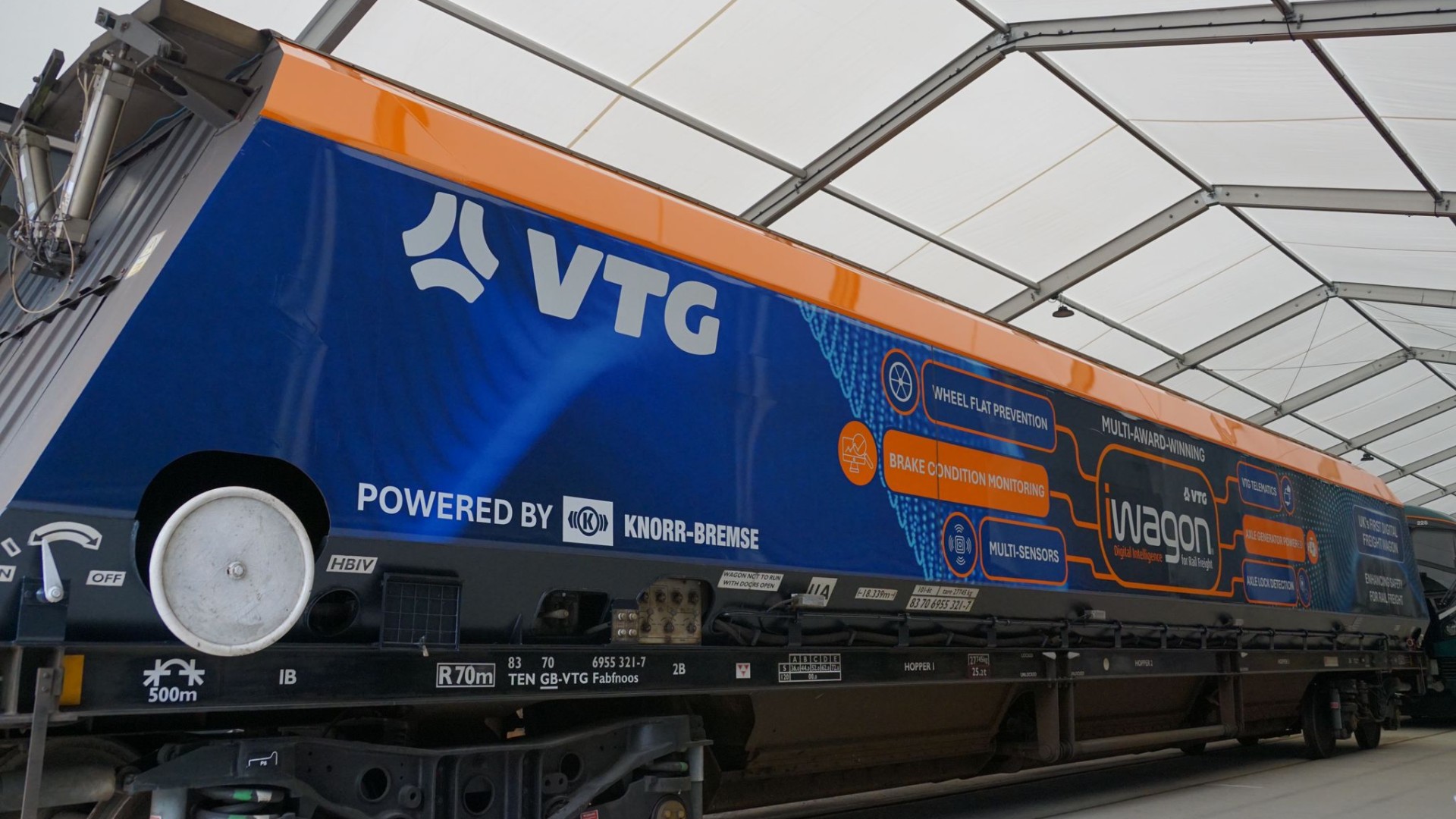
This year marked the beginning of a transformative era for digital rail freight. In 2025, we successfully commissioned the FreightControl Sentinel - the technological backbone of VTG’s award-winning iWagon. By retrofitting traditional wagons with this self-powered system, we have integrated wheel flat prevention, brake condition monitoring, and event data analytics into a single platform. This breakthrough transforms passive assets into intelligent, digitally connected vehicles, solving persistent industry challenges, particularly wheel slide issues. It represents the culmination of years of engineering, proving that Knorr-Bremse is not just keeping pace with the growth of rail freight, but actively leading its digital revolution.